
In today’s fast-paced world, chronic stress has become an almost unavoidable part of life. From demanding work schedules and financial pressures to personal challenges, stressors are everywhere. While occasional stress is a natural and even necessary part of life, chronic stress can have profound effects on the body, particularly on the delicate balance of hormones that regulate numerous bodily functions. Understanding the connection between chronic stress and hormonal imbalance is essential for maintaining overall health and well-being.
What Happens During Stress?
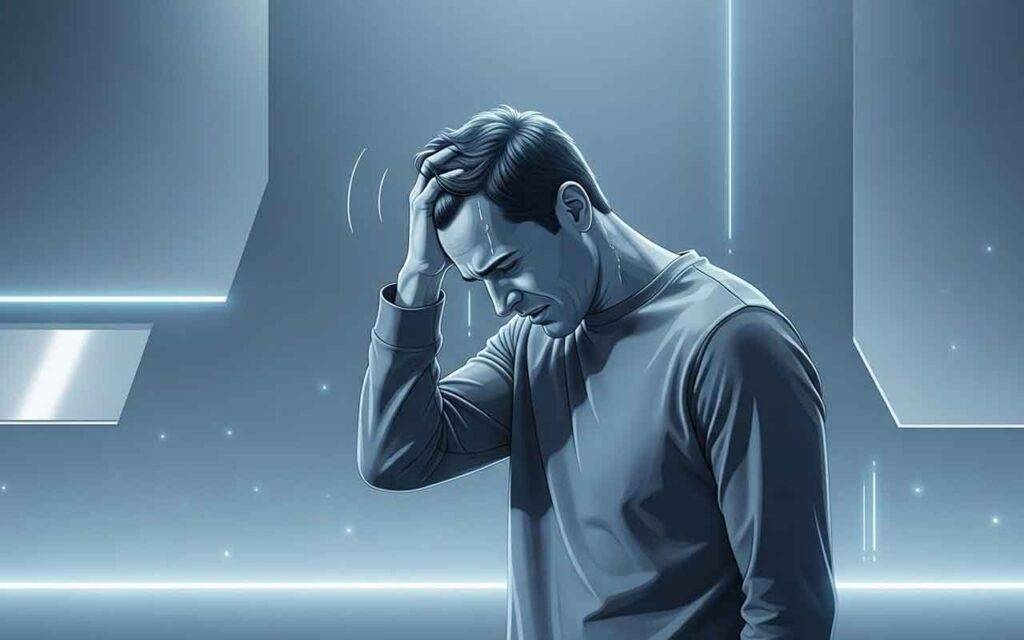
When you encounter a stressful situation, your body activates the “fight or flight” response, a survival mechanism that prepares you to face or flee from danger. This response is orchestrated by the hypothalamic-pituitary-adrenal (HPA) axis, a complex system involving the brain and adrenal glands. During this process, the adrenal glands release stress hormones like cortisol and adrenaline.
In short-term situations, this hormonal surge helps you react quickly and efficiently. For example, it can increase your heart rate, sharpen your focus, and provide a burst of energy. However, when stress becomes chronic, persisting for weeks, months, or even years, the constant activation of the HPA axis can lead to significant disruptions in hormonal balance.
The Role of Cortisol
Cortisol, often referred to as the “stress hormone“, plays a central role in the body’s response to stress. In healthy amounts, cortisol helps regulate metabolism, blood sugar levels, inflammation, and even memory. However, chronic stress causes prolonged cortisol release, which can lead to numerous health problems. Excessive cortisol levels can interfere with the production of other hormones in the body. For instance:
- Thyroid Hormones: Chronic stress can suppress thyroid function, leading to symptoms such as fatigue, weight gain, and difficulty concentrating.
- Sex Hormones: Elevated cortisol levels can disrupt the balance of sex hormones like estrogen, progesterone, and testosterone. This imbalance may contribute to irregular menstrual cycles, reduced libido, and fertility issues.
- Insulin: Chronic cortisol elevation can also affect insulin regulation, increasing the risk of insulin resistance and type 2 diabetes.
Stress and Hormonal Imbalance in Women
Women are particularly susceptible to hormonal imbalances caused by chronic stress due to their complex reproductive systems. Stress can disrupt the menstrual cycle by interfering with the communication between the brain and ovaries. This disruption may result in irregular periods or amenorrhea (the absence of menstruation). Additionally, high cortisol levels can worsen symptoms of premenstrual syndrome (PMS) or exacerbate conditions like polycystic ovary syndrome (PCOS).
For women going through menopause or perimenopause, chronic stress can intensify hormonal fluctuations and worsen symptoms such as hot flashes, mood swings, and sleep disturbances. Additionally, stress may contribute to fatigue, anxiety, difficulty concentrating, irritability, and even weight gain, further impacting overall well-being during this transitional phase. Managing stress effectively is essential for reducing these symptoms and improving quality of life.
Stress and Hormonal Imbalance in Men
While men may not experience the same reproductive hormone fluctuations as women, they are not immune to the effects of chronic stress on hormonal health. Prolonged stress can lead to a decline in testosterone levels, which may result in reduced energy levels, decreased muscle mass, mood changes, and lowered libido. High cortisol levels in men have also been linked to an increased risk of cardiovascular disease and other health issues.
The Vicious Cycle of Stress and Hormonal Imbalance
One of the most challenging aspects of chronic stress is that it creates a vicious cycle. Hormonal imbalances caused by stress can lead to symptoms such as fatigue, irritability, sleep disturbances, and weight gain, all of which can increase feelings of stress. This feedback loop makes it even more difficult to break free from the cycle of chronic stress and its effects on hormonal health.
Managing Chronic Stress for Hormonal Balance
➔ The good news is that there are effective strategies to reduce chronic stress and support hormonal balance. Here are some practical steps:
- Practice Stress-Reduction Techniques: Incorporate relaxation practices such as mindfulness meditation, yoga, deep breathing exercises, or progressive muscle relaxation into your daily routine.
- Prioritize Sleep: Aim for 7-9 hours of quality sleep each night. Establish a consistent bedtime routine and create a sleep-friendly environment by reducing screen time before bed and keeping your bedroom cool and dark.
- Exercise Regularly: Physical activity is a powerful stress reliever that can also help regulate hormones. Engage in activities you enjoy, whether it’s jogging, dancing, swimming, or strength training.
- Adopt a Balanced Diet: A nutrient-rich diet supports hormonal health. Focus on whole foods like fruits, vegetables, lean proteins, healthy fats, and whole grains while minimizing processed foods and sugar.
- Stay Connected: Social support is crucial for managing stress. Spend time with loved ones or seek professional counseling if needed.
- Set Boundaries: Learn to say no to unnecessary commitments and prioritize self-care. Overextending yourself can exacerbate stress levels.
- Consider Professional Help: If you suspect that chronic stress has led to significant hormonal imbalances, consult with a healthcare professional who can assess your hormone levels and recommend appropriate treatments or lifestyle changes.
Conclusion
The connection between chronic stress and hormonal imbalance underscores the importance of managing stress effectively for long-term health. While life’s challenges are inevitable, taking proactive steps to reduce stress can protect your body’s hormonal harmony and improve your overall quality of life. By prioritizing self-care and seeking support when needed, you can break free from the cycle of chronic stress and pave the way for a healthier future.