
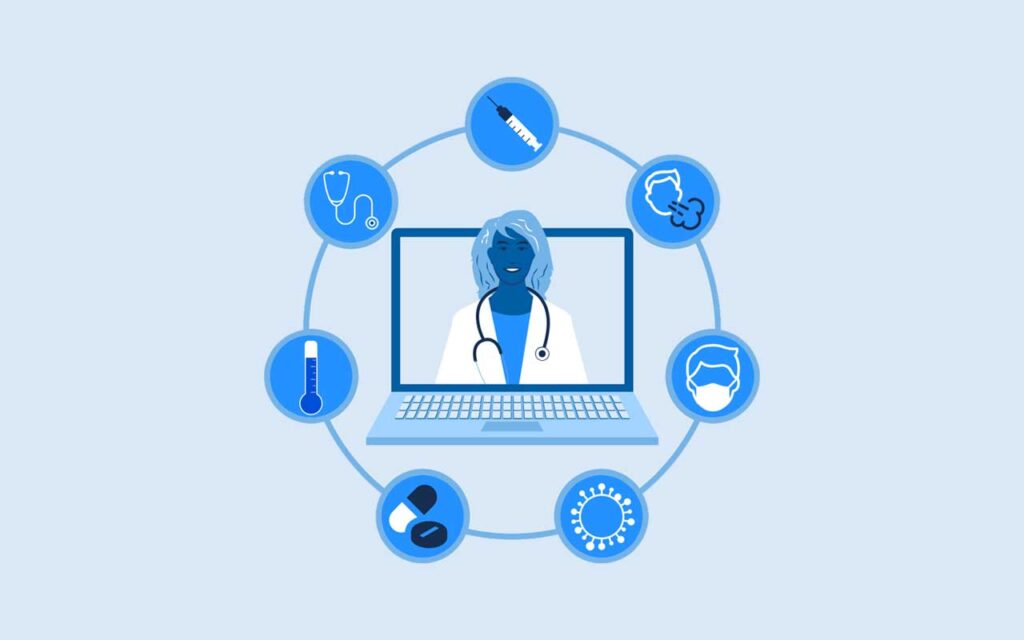
In recent years, telehealth platforms have revolutionized the way patients access medical care. What was once considered a futuristic concept is now a mainstream solution, offering convenience, accessibility, and, most importantly, cost savings for patients. As healthcare costs continue to rise, telehealth has emerged as a powerful tool in making medical services more affordable and efficient. Let’s explore how these platforms are helping patients save money while still receiving quality care.
Eliminating the Need for Travel
One of the most immediate cost-saving benefits of telehealth is the elimination of travel expenses. For many patients, especially those living in rural or remote areas, accessing healthcare often requires long drives or even flights to reach the nearest medical facility. These trips can quickly add up in terms of gas, transportation fees, or lodging. Telehealth allows patients to connect with healthcare providers from the comfort of their own homes, removing the need for costly travel altogether.
Reducing Time Off Work
Scheduling a doctor’s appointment often means taking time off work, which can result in lost income for many individuals. With telehealth, appointments can be scheduled during breaks, after work hours, or even on weekends, reducing or completely eliminating the need to miss work. This flexibility not only saves money but also alleviates the stress of balancing health needs with professional responsibilities.
Lowering Emergency Room Visits
Telehealth platforms are particularly effective in addressing non-emergency medical concerns that might otherwise lead patients to visit an emergency room. ER visits are notoriously expensive, and many minor health issues can be resolved through a virtual consultation. By providing quick access to medical advice and treatment plans, telehealth helps patients avoid unnecessary trips to the ER, saving them significant out-of-pocket costs.
Offering Affordable Consultation Fees
Virtual consultations are often less expensive than in-person visits. Many telehealth providers offer flat-rate fees for consultations, which are typically lower than traditional office visits. Additionally, some platforms offer subscription-based models that allow patients to access unlimited consultations for a fixed monthly fee. This predictability in costs makes it easier for patients to budget for their healthcare needs.
Expanding Access to Preventive Care
Preventive care is a cornerstone of reducing long-term healthcare costs. By catching potential health issues early, patients can avoid more severe and costly complications down the line. Telehealth makes it easier for individuals to access preventive services such as routine check-ups, screenings, and wellness advice. The convenience of virtual appointments encourages more people to prioritize their health without worrying about high costs or logistical challenges.
Supporting Chronic Disease Management
For patients with chronic conditions like diabetes, hypertension, or asthma, regular monitoring and follow-up care are essential. Telehealth platforms provide an affordable way for these patients to stay connected with their healthcare providers. Through remote monitoring devices and virtual check-ins, patients can manage their conditions effectively without the need for frequent in-person visits. This not only reduces costs but also improves overall health outcomes.
Minimizing Childcare and Caregiver Expenses
For parents or caregivers, attending a doctor’s appointment often involves additional expenses for childcare or hiring someone to look after a loved one. Telehealth eliminates this need by allowing consultations to take place at home. Patients can speak with their healthcare provider without having to arrange for someone else to take over their responsibilities.
Enhancing Access to Specialists
Finding and consulting with specialists can be both time-consuming and expensive, particularly if they are located far away. Telehealth bridges this gap by connecting patients with specialists from across the country or even around the world. This expanded access helps patients avoid costly travel while still receiving expert care tailored to their specific needs.
Increasing Competition and Transparency
The rise of telehealth platforms has also led to increased competition among providers, which can drive down prices. Many telehealth companies are transparent about their pricing structures, allowing patients to compare costs and choose the option that best fits their budget. This level of transparency empowers patients to make informed decisions about their healthcare spending.
Conclusion, A Win-Win for Patients and Providers
Telehealth is proving to be a game-changer in the world of healthcare, offering significant cost savings without compromising on quality. By reducing travel expenses, lowering consultation fees, minimizing time off work, and expanding access to care, these platforms are making healthcare more accessible and affordable for millions of people. As technology continues to evolve and adoption rates grow, telehealth will undoubtedly play an even greater role in shaping a cost-effective and patient-centered healthcare system.